
Everyday Home Safety Habits Every Parent Should Know
A safer home is not built through one big weekend project. It is built through small habits repeated often enough that they become part of family life. Parents already do countless safety checks without thinking about them: moving a cup away from the edge of a counter, locking a cabinet, wiping up water near the sink, or reminding a child not to run through the hallway. Those small moments matter.
Children also change quickly. A baby who stayed on a playmat yesterday may be crawling toward a doorway tomorrow. A preschooler who once avoided stairs may suddenly want to climb everything. Older children gain independence, but they still need clear rules around tools, technology, outdoor areas, and emergencies.
The goal is not to make the home feel tense or restricted. It is to create a setting where children can explore, learn, and grow with fewer preventable risks. Parents do not need perfection. They need practical routines, good judgment, and a willingness to notice the small issues before they become big ones.
Create Safer Entryways and Outdoor Spaces
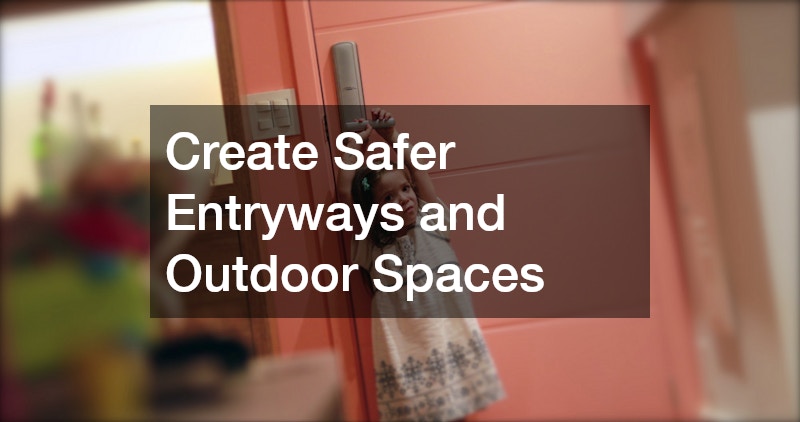
The places where a family enters and exits the home often become the busiest and most overlooked areas. Shoes pile up near the door. Backpacks land in walkways. Packages sit on the porch. Garage items lean against walls because someone plans to “put them away later.” For adults, these may look like minor inconveniences. For children, they can become trip hazards, pinch points, or tempting objects to climb.
Start with the garage and driveway. An overhead door should open and close smoothly, reverse properly when something is in the way, and have controls placed where young children cannot play with them. Parents should remind children that the garage is not a playroom, especially when vehicles, tools, sports gear, and storage bins are nearby. Even if the door seems harmless, children may not understand how quickly moving parts can become dangerous.
Outdoor visibility matters, too. Clean windows help parents see children playing in the yard, visitors approaching the home, or toys left near steps and walkways. Hiring window cleaners or keeping a regular cleaning routine can improve visibility and reduce the grime that hides cracks, loose trim, or damaged screens. A clearer view gives parents more time to respond when something outside needs attention.
A safer entryway does not have to look sterile. It simply needs a system. Give children a place for shoes, bags, and jackets. Keep walkways clear at night. Add lighting near steps and side doors. Check railings after storms or heavy use. When entry points stay organized, parents remove many everyday risks without adding another complicated task to the day.
Stay Ahead of Small Home Maintenance Problems
A small drip, loose panel, or torn screen may not seem urgent during a busy week. Parents are often juggling meals, school schedules, work, and bedtime routines, so minor repairs can slide to the bottom of the list. The problem is that children interact with homes differently than adults do. They touch low surfaces, crawl near corners, lean on railings, and notice gaps that adults walk past.
This is where a simple monthly walk-through helps. Parents can move through the home and look for issues from a child’s point of view. Are there stains on the ceiling? Are there soft spots near windows? Are doors sticking? Are porch screens loose? Roof repairs should not be delayed when leaks or missing materials could lead to moisture, mold, or weakened interior surfaces. What begins as a small exterior issue can eventually affect bedrooms, playrooms, or storage areas where children spend time.
Outdoor comfort features should also be checked. Motorized screens can make patios and porches more usable, but they should operate smoothly and stop safely. Children should know not to pull on them, run underneath them while moving, or treat remote controls as toys. Parents can set a simple rule: screens are operated by adults unless a child has been taught exactly how to use them safely.
A practical home check might include:
- Looking for water stains after heavy rain
- Testing locks, latches, and outdoor lighting
- Checking screens, railings, and steps
- Moving tools, cords, and chemicals out of reach
- Noting repairs that need professional attention
The point is not to inspect every inch of the house. It is to build awareness. When parents catch small problems early, they often prevent both expensive damage and unnecessary safety risks.
Reduce Vehicle-Related Risks Around the Home

Driveways, garages, and parked vehicles deserve more attention than they often receive. Many families move in and out of these spaces several times a day, which can make them feel routine. Yet routine is exactly why parents need clear habits. A distracted moment while backing out of the driveway, loading groceries, or preparing for a trip can create a serious risk.
Children should be taught that parked vehicles are not hiding places, climbing structures, or shade spots. Before any vehicle moves, adults should know where children are. This rule matters whether a parent is leaving for work or moving a car a few feet to make room in the garage. Auto repair also plays a role in family safety. Worn brakes, leaking fluids, broken lights, or unreliable mirrors can all affect what happens around the home, not just on the road.
Family travel vehicles need special attention because they often sit unused for long stretches. Before a road trip, RV roof repair may be necessary if leaks, cracks, or worn seals have developed during storage. Moisture inside a recreational vehicle can damage sleeping areas, create musty air, or lead to slippery surfaces. Parents should check the vehicle before packing children inside for a weekend away.
One realistic habit is the “pause before movement” rule. Before starting the engine, the driver checks mirrors, looks around the vehicle, confirms children are in a safe spot, and removes toys or bikes from the driveway. It takes less than a minute, but it helps break the autopilot mindset that can happen during busy mornings.
Older children can be part of the routine, too. They can learn to place bikes away from cars, keep balls out of the driveway, and stand near a designated safe area when vehicles are moving. These small expectations give children clear boundaries instead of vague warnings.
Protect Children Around Water and Backyard Features
Water safety does not begin at the pool gate or boat dock. It begins with the way a family talks about water every day. Children need to understand that water can be fun and dangerous at the same time. Parents should avoid making water areas feel mysterious or forbidden without explanation. Instead, they can teach clear rules that are repeated calmly and consistently.
Backyards near lakes, canals, docks, or marinas require extra attention. A boat lift, for example, may look interesting to a child because it moves, makes sounds, and sits near the water. But children should never play on or around waterfront equipment without adult supervision. Equipment should be secured when not in use, and controls should be kept away from curious hands.
The most important rule is simple: no child goes near water alone. This applies even when the child can swim. It applies during family gatherings, when adults may assume someone else is watching. It applies during quick chores, when a parent thinks they will only step away for a moment. Water risks develop quickly, and supervision must be active, not casual.
Parents can make water safety more practical by assigning responsibility during gatherings. One adult watches the children without distractions for a set period, then hands the job to another adult. Phones, grilling, and conversations can wait during that watch time. Children also need physical boundaries, such as locked gates, secured access points, and clear rules about where they may walk or play.
A good emergency plan should be discussed before it is needed. Parents can teach children how to call for help, where safety equipment is stored, and why pushing, running, or rough play near water is never allowed. The tone matters. Fear-based lectures often fade. Repeated, steady expectations tend to stick.
Safeguard Your Family’s Digital Life

Family safety now includes the digital spaces children use for school, entertainment, and communication. A broken laptop may seem less urgent than a loose stair rail, but technology problems can create real stress when medical records, school files, emergency contacts, and family photos are stored in one place. Parents should think of digital organization as part of household safety.
Computer repairs should be handled promptly when devices show signs of trouble, such as overheating, sudden shutdowns, damaged charging ports, or unusual pop-ups. Children may not recognize warning signs and may keep using a device that is unsafe or failing. Parents can teach them to report problems instead of ignoring them or trying to fix them alone.
Data recovery services become important when important files are lost after a crash, spill, or accidental deletion. Still, families should not wait until something goes wrong to think about backups. Medical forms, insurance information, school documents, and emergency contacts should be saved in more than one secure place. Parents can use cloud storage, external drives, or printed copies for the most important records.
Digital safety also includes behavior. Children should know not to share addresses, school names, passwords, or family travel plans online. Parents can keep devices in shared spaces for younger children and talk openly about suspicious messages, unsafe links, and privacy settings.
A helpful family routine is a monthly digital check. Update passwords when needed, review apps, back up important files, and remove unused accounts. This does not need to become a long technical project. It is simply another way to keep the family prepared.
Model Responsibility Through Caring for Everyday Belongings
Children learn safety not only from rules, but from watching how adults care for the things around them. When parents repair, store, and maintain belongings, they send a quiet message: the home deserves attention, and small problems should not be ignored. That lesson can shape how children treat their own spaces as they grow.
Consider items that seem unrelated to safety at first glance. Jewelry repair, for example, may prevent broken clasps, loose stones, or sharp edges from becoming hazards around young children. Small pieces can fall onto floors, hide in rugs, or end up in a toddler’s hand. Parents who store valuables properly and fix damaged items quickly reduce risks while also showing children that fragile things need care.
This idea extends to everyday household habits. Scissors go back in drawers. Chargers are unplugged when damaged. Small batteries are stored out of reach. Loose buttons, beads, coins, and broken toy parts are picked up instead of left for later. These are simple actions, but they create a safer environment for crawling babies and curious young children.
There is also an emotional benefit. When children are invited into age-appropriate care routines, they feel capable. A child can help sort toys, place shoes by the door, or tell an adult when something breaks. Instead of hearing only “don’t touch that,” they learn what safe responsibility looks like.
Parents can frame maintenance as part of family teamwork. The message is not that children must worry about everything. The message is that everyone helps notice and care for the shared space. Over time, that mindset can be more powerful than any single safety rule.
Build Simple Routines That Grow With Your Family

The safest homes are not perfect homes. They are homes where adults pay attention, children know what to expect, and routines change as the family changes. A safety habit that works for a toddler may not fit a ten-year-old. A rule that mattered in a small apartment may need to be updated in a house with stairs, a garage, or a backyard.
Parents can begin with a weekly reset. Walk through the main living spaces, clear clutter, check high-risk areas, and ask whether anything has changed. Did the baby start pulling up on furniture? Did an older child get a new device? Did a storm damage anything outside? Did a holiday gathering leave behind small items or extra cords? These questions help parents respond to real life instead of relying on old assumptions.
It also helps to talk about safety in normal language. Children do not need dramatic warnings every day. They need steady explanations: “We keep this door locked because tools are inside,” or “We stay on the porch until an adult checks the driveway.” Calm repetition makes rules easier to remember.
A family safety routine might include a Sunday evening reset, a monthly home check, and seasonal maintenance before winter, summer, or storm season. Some weeks will be busy, and not everything will get done. That is normal. What matters is returning to the habit.
Every parent wants their home to feel comfortable, welcoming, and safe. That does not happen by accident. It grows through the small choices families make every day: closing the gate, checking the driveway, backing up important files, fixing what breaks, and teaching children how to notice their surroundings. With consistent habits, parents can reduce common risks while giving children the freedom to live, play, and learn with confidence.



Post Comment