
A Parents Guide to Raising Healthy, Safe, and Confident Children
Raising children involves countless decisions, from choosing schools and healthcare providers to establishing boundaries that help everyone feel secure. Parents want their children to stay healthy, recognize their abilities, and approach unfamiliar situations with curiosity rather than fear. Those goals rarely depend on one major decision. Instead, they develop through everyday experiences, consistent relationships, and environments that make room for exploration.
Every child grows at a different pace. Some enjoy group activities from an early age, while others need more time to become comfortable around new people. Some thrive on predictable schedules, while others learn through spontaneous discoveries. Recognizing these differences helps parents respond to children’s individual needs without comparing every milestone to someone else’s experience. Families can also revisit their priorities as circumstances, interests, and developmental needs change over time.
A balanced approach considers physical health, education, emotional well-being, and practical safety together. Dental appointments, outdoor adventures, conversations about feelings, and age-appropriate responsibilities all contribute to development. Parents don’t have to master every subject or anticipate every challenge. They can build a supportive network, make informed choices, and adapt their routines as children grow. The following strategies offer practical ways to nurture confidence while protecting the freedom children need to learn.
Supporting Physical Health Through Preventive Care
Consistent healthcare routines teach children that caring for their bodies is a normal part of everyday life. Regular wellness visits give families opportunities to discuss growth, sleep, nutrition, and development with medical professionals. Parents can also use these appointments to ask questions about concerns that seem small but affect a child’s comfort or daily activities.
Dental care deserves similar attention. Establishing brushing and flossing habits early makes them easier to maintain as children become more independent. Families looking for pediatric care may encounter the search phrase ‘childrens dentists‘ when comparing nearby practices. Providers who regularly work with young patients may offer child-sized equipment, explanations appropriate for different ages, and techniques that help make appointments less intimidating.
As children get older, family dentists can provide continuity for households that prefer to coordinate routine dental care in one place. The right arrangement depends on each child’s needs, the services available, and whether a provider can accommodate changing oral health requirements. Parents should consider preventive guidance, communication, and their child’s comfort rather than assuming one approach suits every family.
Healthy habits extend beyond appointments. Accessible drinking water, regular movement, nutritious meals, and consistent sleep opportunities support day-to-day functioning. Inviting children to help prepare snacks or select activities encourages them to participate in their own care. Over time, small choices can become meaningful skills they carry into adolescence.
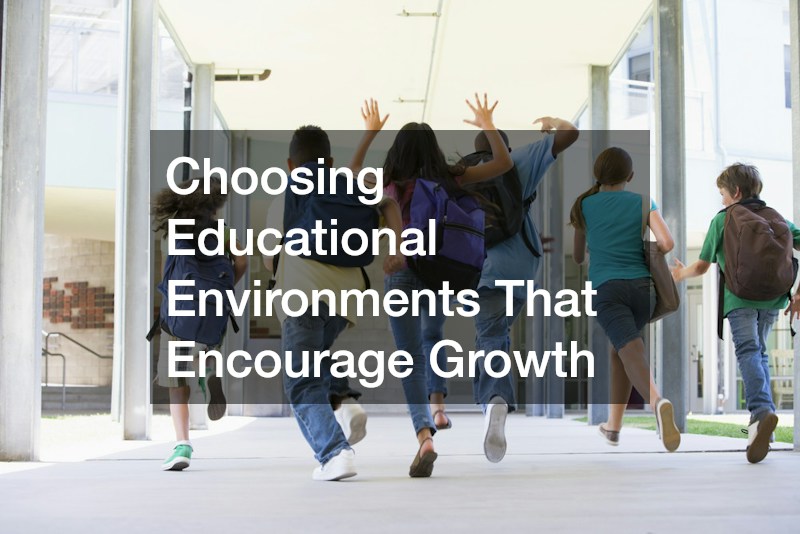
Choosing Educational Environments That Encourage Growth
A positive learning environment combines appropriate challenges with opportunities for children to ask questions, make mistakes, and discover their interests. Before selecting a program, parents can consider how a school approaches communication, classroom routines, social development, and support for different learning styles. Visiting classrooms and observing interactions may reveal more than promotional materials alone.
For younger children, Montessori preschools often emphasize hands-on materials, self-directed activity, and opportunities to practice independence. Some families appreciate this approach because children can spend focused time on tasks that capture their attention. Others may prefer programs with more teacher-led instruction or a different balance between structured lessons and open-ended play. Neither preference eliminates the importance of skilled educators and a nurturing atmosphere.
When evaluating private schools, parents can look beyond academic claims to understand class size, student support, extracurricular offerings, and expectations for family involvement. Tuition, transportation, accessibility, and long-term fit also matter. A school that appears appealing on paper may not match a child’s personality, interests, or practical needs.
Children benefit when adults reinforce learning without turning every conversation into a performance review. Reading together, discussing discoveries, and showing interest in school projects help connect education to everyday life. Encouraging effort and curiosity gives children room to develop confidence even when a subject takes longer to understand.
Creating Opportunities for Outdoor Discovery
Outdoor experiences let children experiment with movement, solve practical problems, and observe how the natural world changes. A walk through a park can introduce questions about insects, weather, and plant life. Climbing on suitable playground equipment or following a trail also offers opportunities to practice coordination, judgment, and persistence in manageable situations.
An outdoor education school may incorporate field experiences, environmental studies, and hands-on group activities into its curriculum. These settings can help children connect classroom concepts with what they see and do. Parents considering such a program should ask about supervision, weather procedures, accessibility, and the ways instructors adapt activities for different ages and abilities.
Families don’t need a specialized program to enjoy these benefits. Visits to local campgrounds can create opportunities to practice setting up a campsite, respecting wildlife, and working together on simple tasks. Even a short daytime visit can introduce outdoor routines without requiring an overnight trip. Choosing an accessible location and checking conditions beforehand can make the experience more comfortable for beginners.
Confidence outdoors develops through preparation rather than unnecessary risk. Adults can teach children to stay within agreed boundaries, recognize when they need help, carry water, and follow basic safety instructions. As children gain experience, parents can gradually offer more responsibility. The goal is to cultivate curiosity and practical awareness while keeping adventures appropriate for each child’s abilities.

Maintaining a Safer, Healthier Home
Children explore their surroundings constantly, so home safety should evolve as their abilities change. A toddler who once stayed close to a play area may suddenly reach counters or open doors. Parents can periodically examine rooms, storage spaces, outdoor areas, and common pathways from a child’s perspective. Securing hazardous products and addressing unstable furniture are practical steps that reduce preventable dangers.
For households with swimming pools, pool safety fences are an important protective measure. A properly designed barrier with a self-closing, self-latching gate can help restrict unsupervised access to the water. Local requirements may determine acceptable height, placement, and gate features, so parents should review applicable rules. Fencing supplements rather than replaces active adult supervision and water safety education.
Indoor conditions also affect daily comfort. Families seeking improved indoor air quality can start by controlling moisture, addressing leaks, reducing indoor smoke, and maintaining heating and cooling equipment. Ventilation and suitable filtration may also help manage pollutants, depending on the home. Persistent odors, visible mold, or unusual respiratory symptoms deserve attention rather than being dismissed as routine household inconveniences.
A safer home should still encourage independence. Instead of eliminating every opportunity for exploration, parents can establish spaces where children can play, experiment, and complete simple tasks with reasonable oversight. Explaining why rules exist helps children connect precautions with personal responsibility. Regularly revisiting those rules keeps them relevant as the family changes.
Building Emotional Security and Resilience
Children become more confident when they feel heard, accepted, and supported through difficult emotions. Adults can demonstrate this by listening without immediately dismissing frustrations or attempting to solve every problem. Naming feelings, asking open-ended questions, and acknowledging effort help children understand that setbacks are manageable parts of learning.
Emotional security is particularly important during family transitions. Families exploring adoption services may benefit from professional guidance about preparation, placement processes, and ongoing support. Children who join a family through adoption can have individual histories and questions that deserve sensitive, age-appropriate conversations. Parents should avoid assumptions about what a child feels and remain open to support from qualified professionals when needed.
Resilience grows through supported challenges, not pressure to appear cheerful at all times. If a child struggles with a friendship or feels disappointed by a result, parents can help identify what happened and brainstorm possible next steps. This process gives children practice considering solutions while reassuring them that relationships remain stable during hard moments.
Predictable routines, family rituals, and dedicated one-on-one time strengthen that foundation. Small practices, such as sharing a highlight from the day or reading before bed, provide opportunities for connection. When caregivers model apologies, patience, and respectful disagreement, children gain real examples of how to handle conflict and repair relationships.

Strengthening Academic Confidence Without Pressure
Academic expectations often increase as children advance through school. Homework becomes more demanding, subjects become specialized, and assessments may affect future opportunities. Parents can support progress by helping children organize assignments, recognize when they need assistance, and develop study habits that match their attention and energy levels.
For teenagers preparing for college applications, a private SAT tutor may help clarify difficult concepts, explain test formats, and establish a realistic practice schedule. Tutoring is one option rather than a requirement, and families should consider cost, accessibility, and a student’s goals before committing. Some students benefit from independent preparation, school-based resources, or small group instruction instead.
Academic confidence shouldn’t depend entirely on scores. Children need to understand that a challenging assignment or disappointing grade doesn’t define their intelligence or potential. Parents can ask which strategies worked, which ones didn’t, and what might help next time. This language shifts attention toward learning rather than comparison. Frequent, specific encouragement can help students recognize their progress without feeling compared with classmates or siblings.
Rest also matters. Overscheduling academic activities can leave little room for friendships, hobbies, sleep, or unstructured downtime. A workable routine includes breaks and activities that children genuinely enjoy. Supporting reasonable goals while recognizing each student’s strengths can make education feel like an opportunity to grow instead of a constant test of worth.
Developing Independence and Social Skills
Independence develops through repeated chances to make decisions within clear boundaries. Young children might choose between appropriate outfits, help put toys away, or participate in preparing a meal. Older children can gradually take responsibility for school materials, household tasks, and managing parts of their schedules. The specific responsibilities should reflect maturity rather than age alone.
Parents can build decision-making skills by offering limited choices and discussing consequences without making every mistake feel serious. If a child forgets something needed for an activity, a calm conversation about preparation may be more useful than criticism. Allowing manageable setbacks provides opportunities to practice problem-solving while adults remain available for support.
Social confidence also requires practice. Playdates, team activities, neighborhood events, and community programs expose children to different personalities and expectations. Rather than insisting that every child become outgoing, parents can help them practice introductions, taking turns, communicating boundaries, and asking for help. Quiet children can form strong relationships without adopting someone else’s social style.
Disagreements offer valuable lessons when handled respectfully. Adults can guide children to describe what happened, listen to another perspective, and consider fair solutions. Praising cooperation, persistence, and kindness reinforces behaviors that matter beyond any single activity. Over time, children begin to recognize that independence and connection can develop together.
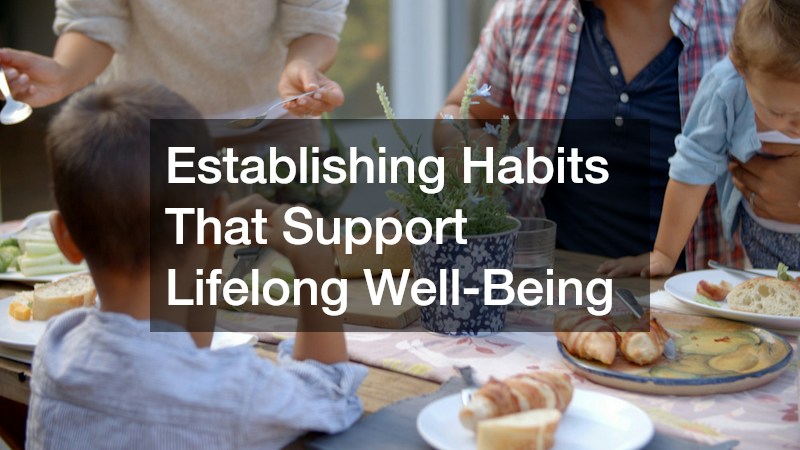
Establishing Habits That Support Lifelong Well-Being
Family routines create a foundation for healthy choices, but they work best when they can adapt to real life. Regular mealtimes, opportunities for movement, and a predictable bedtime rhythm help children understand what to expect. Parents can invite age-appropriate input when planning schedules so children feel involved rather than simply directed.
Technology deserves thoughtful boundaries as well. Families can establish device-free moments for meals, conversations, and sleep preparation, then explain the reasons behind those expectations. Instead of treating every screen as harmful, adults can discuss content quality, online privacy, respectful communication, and the difference between entertainment and activities that require sustained attention.
Community connections provide another source of stability. Neighbors, relatives, teachers, coaches, and other supportive adults can broaden children’s experiences and offer encouragement in different settings. Parents can model how to seek help, show appreciation, and contribute to shared activities. These examples teach children that confidence includes knowing when to rely on others.
No household follows its plans perfectly. Illness, changing work schedules, developmental transitions, and unexpected obligations may interrupt routines. What matters is returning to useful habits without turning temporary disruptions into sources of shame. By emphasizing health, safety, curiosity, and meaningful relationships, parents create conditions in which children can keep learning about themselves. The most valuable outcome is not a childhood without difficulties, but a growing ability to meet challenges with support, practical skills, and confidence.




Post Comment