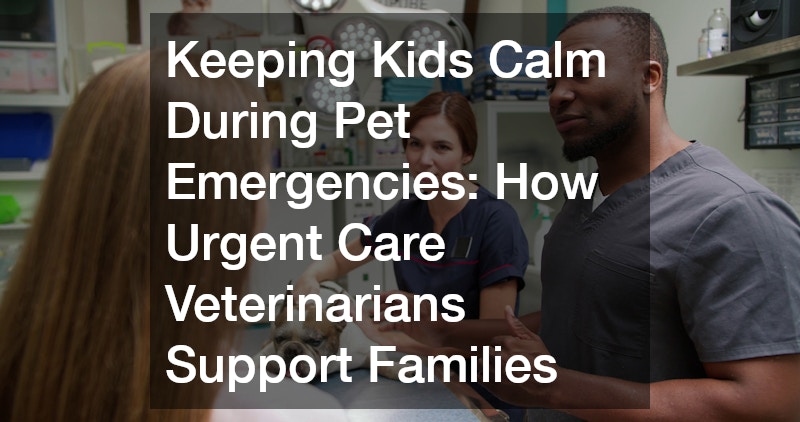
Keeping Kids Calm During Pet Emergencies How Urgent Care Veterinarians Support Families
Pet emergencies can be distressing for families, particularly when children are involved. Young minds often find it challenging to process the sudden tension and anxiety that come with an unexpected health crisis for their beloved pets. Urgent care veterinarians play a crucial role not only in addressing the immediate health needs of animals but also in supporting families through these stressful times.
The presence of urgent care veterinarians provides a sense of reassurance to both parents and children. Their expertise and calm demeanor can be pivotal in managing the emotional response of a family during a pet emergency.
By understanding the process and having confidence in the veterinarians’ abilities, families can help their children navigate these difficult experiences.
Throughout this article, we will explore strategies to help keep kids calm during pet emergencies, highlighting the invaluable support system that urgent care veterinarians offer. From educating families to providing compassionate care, veterinarians are essential in ensuring a smooth experience during such challenging times.
Role of Urgent Care Veterinarians
Urgent care veterinarians are equipped with specialized skills to handle emergencies promptly and efficiently. Their primary role is to stabilize the pet’s condition, offering both medical attention and emotional support to families. By explaining procedures and outcomes carefully, they help demystify the situation for children, making them an integral part of the emergency process.
These professionals are trained to maintain composure regardless of the severity of the emergency. It’s crucial for families to witness this calmness as it often translates into more controlled emotional reactions from children. The reassuring nature of these veterinarians allows children to feel safer and more secure during a crisis, fostering an environment where they can express their emotions.
Open communication lines between veterinarians and families enable a transparent discussion about what to expect during a pet emergency. This transparency is vital in managing the fear and anxiety that children might feel, allowing them to gain some understanding over the unpredictable nature of the situation. With patient education, urgent care veterinarians help instill a sense of trust and confidence in families facing challenging times.
Strategies for Keeping Kids Calm
Education is a powerful tool when it comes to preparing children for a potential pet emergency. Parents, with the help of veterinarians, can educate their children about the common signs of distress or pain in pets, what a veterinarian’s work entails, and why quick action is necessary. Being informed gives children a sense of control and purpose, helping them cope better during emergencies.
Using comforting language and offering reassurance can also play a critical role in calming children. Gentle explanations about what the urgent care veterinarians are doing, and why certain decisions are made, helps in reducing their anxiety. Additionally, allowing children to ask questions and express their emotions without judgment supports their emotional well-being during such events.
Another effective strategy is incorporating routine and familiarity in a time of uncertainty. Parents can encourage children to bring along a familiar object, like a favorite toy or blanket, when visiting the veterinary clinic. The presence of something comforting can have a grounding effect, giving children a reliable source of comfort amidst the stress of a pet emergency.
Impact of Parental Guidance
Parents play a pivotal role in setting the tone for how children react during pet emergencies. When parents demonstrate calmness and positivity, it can help children mimic these behaviors. Teaching deep breathing techniques or engaging in soothing activities while in the waiting room can greatly assist in maintaining a calm atmosphere.
Moreover, guiding children through the emotional process by discussing feelings and fears can be incredibly beneficial. Acknowledging the child’s emotions and providing an outlet for expression ensures that they know it is okay to feel worried or sad, but also that solutions and help are available. This teaches resilience and adaptability, important life skills that extend beyond pet emergencies.
Communication between parents and children should remain open, with honest discussions about the pet’s condition in age-appropriate language. This helps in managing expectations and reducing the shock factor for children if the outcome isn’t favorable. Having a supportive environment where both emotions and realities are acknowledged fosters growth and understanding in young ones.
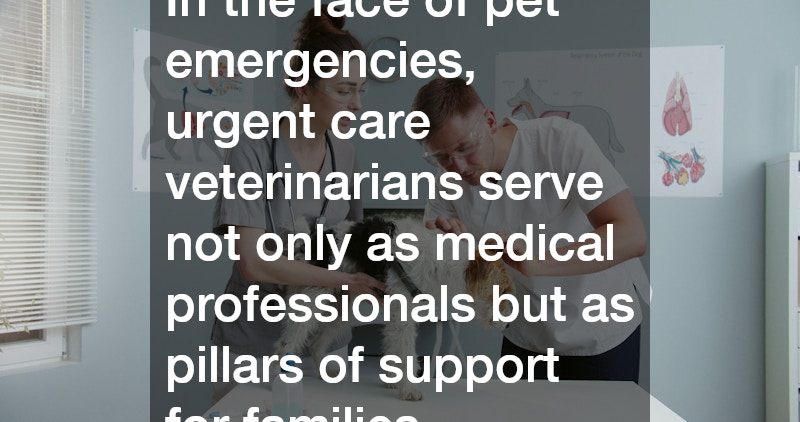
In the face of pet emergencies, urgent care veterinarians serve not only as medical professionals but as pillars of support for families, helping manage both the physical and emotional crisis. Their combination of medical expertise and empathetic care bridges the gap between urgency and understanding, providing a stable environment during volatile situations.
Parents, too, hold a significant role in managing children’s reactions, using strategies to provide comfort and patience during such experiences. Through education, patience, and open communication, they can transform a distressing event into an educational moment that builds resilience and compassion in their children.
Ultimately, the collaborative efforts of urgent care veterinarians and families ensure that pet emergencies are handled with both efficiency and empathy. By creating a supportive framework, they empower children to navigate these challenging experiences, knowing that their pets are in capable and caring hands.




Post Comment