
Proactive Fixes for the Structure and Function of Your Home
The standard approach to homeownership is often defined by a single, stressful cycle: wait for something to break, panic, and then pay a premium to fix it. This reactive cycle is not only financially draining, but it also causes unnecessary wear and tear on the building itself. A home does not experience isolated failures; it functions as an interconnected ecosystem. A small leak in the roof can slowly rot the wall framing, which eventually compromises the electrical lines and ruins the interior drywall.
To break free from this cycle, you must shift your mindset toward proactive maintenance. By evaluating your home through the dual lenses of structure—the physical shell that shields you from the elements—and function—the mechanical systems that keep the interior safe and livable—you can intercept minor issues before they evolve into household disasters.
Diverting Water and Preventing Wood Rot
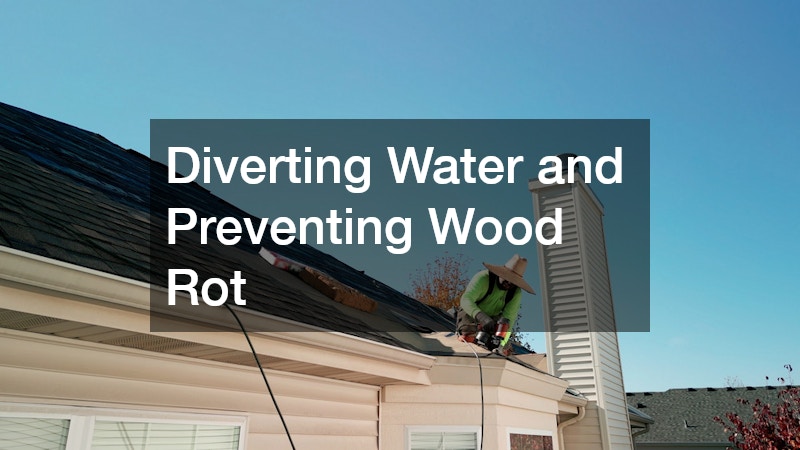
Water is the ultimate enemy of a home’s structure. When roofing components fail, water bypasses your primary defenses and begins rotting the underlying plywood decking, rafters, and ceiling joists. To protect this area, you must look closely at the transitions where different surfaces meet.
- Inspect the Flashing: Check the metal strips around chimneys, skylights, and valleys. Cracked sealant or rusted metal in these areas is responsible for most mystery leaks.
- Clear the Gutter System: Clogged gutters force rainwater to back up under the bottom row of shingles, destroying the fascia board and soaking into your exterior walls. Clean them twice a year and ensure downspouts extend at least five feet away from the foundation.
- Look for Shingle Degradation: Scan the roof from the ground using binoculars to find curling, buckled, or missing shingles, as well as heavy granule loss.
Catching these warning signs early allows you to address localized issues before they warp your ceilings. Investing in a timely professional roofing service ensures that minor surface blemishes are sealed tightly, keeping the structural bones of your home perfectly dry.
Sealing the Building Envelope
Once water clears the roofline, it must flow safely past your exterior walls. The siding serves as a protective cloak, blocking heavy rain, wind, and nesting insects from penetrating the wooden framing of your rooms.
- Maintain Ground Clearance: Ensure there is at least a six-inch gap between the bottom edge of your exterior walls and the surrounding soil or mulch. Earth-to-wood contact invites subterranean termites and accelerated rot.
- Seal Exterior Gaps: Walk the perimeter with a caulk gun, filling any gaps around window frames, door trim, and utility penetrations. Use a high-quality polyurethane caulk that flexes with changing temperatures.
- Monitor for Warping: Pay attention to any exterior panels that look wavy, swollen, or detached, as these are clear indicators that moisture has trapped itself behind the barrier.
When panels begin to pull away or show signs of deep water damage, relying on professional siding services to replace the compromised areas prevents moisture from breeding toxic mold inside your insulated wall cavities.
Protect Your Roof and Foundation
The trees surrounding your property provide beautiful shade and curb appeal, but they also pose a hidden threat to both the top and bottom of your home’s structure if left unmanaged.
- Establish a Clearance Zone: Cut back any branches that hang within ten feet of your roof surface. Rubbing branches will scrape away shingle granules, while overhanging limbs provide a highway for squirrels and rodents looking to enter your attic.
- Assess Tree Health: Look closely at the trunks of large trees near your living structure. Deep vertical cracks, peeling bark, mushrooms growing near the roots, or a sudden lean all indicate internal decay.
- Watch the Ground Surface: Keep an eye on nearby soil or sidewalks buckled by shallow roots, which can press against your basement walls and cause structural fracturing.
Pruning large, heavy limbs requires specialized equipment and training. Bringing in professional tree services to thin out dense canopies and remove deadwood dramatically reduces the risk of massive limbs crashing through your roof during high-wind storms.
Reliable Warmth Before the Winter Freeze
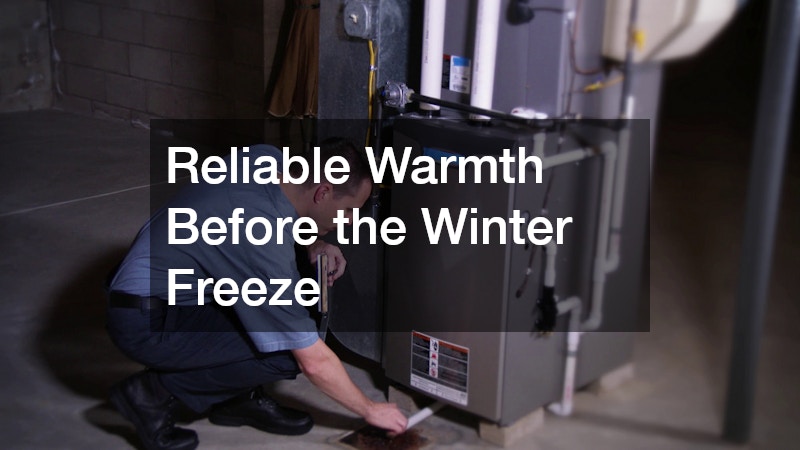
A heating system that sits dormant all summer can accumulate dust, suffer from electrical corrosion, or experience component seizing. Testing and prepping the system before the cold weather hits ensures it can safely handle the heavy workload of winter.
- Commit to Regular Filter Changes: Swap out your air filters every 30 to 90 days. A clogged filter restricts airflow, forcing the system to work twice as hard, which overheats the internal components and causes early mechanical breakdown.
- Clear the Surrounding Zone: Keep the area around your indoor heating unit completely free of clutter. Never store combustible materials, paints, or aerosols near the equipment.
- Test the System Early: Turn your thermostat to heating mode in the early autumn. Let it run for a full cycle to ensure you do not smell burning electrical insulation or notice strange short-cycling.
Beyond basic filter swaps, a heating system requires precise mechanical calibrations. Booking an annual preventative furnace service allows a technician to clean the burners, test for dangerous carbon monoxide leaks in the heat exchanger, and ensure your home stays safely warm all winter long.
Maximizing Cooling Efficiency
An air conditioner is a heat transfer machine. It absorbs heat from inside your home and dumps it outdoors. If the outdoor condenser unit is dirty, restricted, or low on refrigerant, the heat transfer process stalls, driving up your energy bills and wearing down the compressor.
- Clear Outdoor Vegetation: Maintain a two-foot clearance loop around your outdoor condenser. Cut back weeds, vines, and shrubs that block free airflow through the metal cooling fins.
- Wash the Condenser Coils: Turn off the power and use a gentle garden hose to wash away accumulated pollen, dirt, and lawn clippings from the outdoor unit. Never use a pressure washer, as it will bend the delicate aluminum fins.
- Clear the Indoor Condensate Drain: Pour a cup of white vinegar down your indoor air handler’s drain line every few months to kill algae buildup and prevent water from backing up into your ceilings or floors.
When your cooling system struggles to keep up on humid days, scheduling comprehensive air conditioning services ensures that electrical connections are tightened, fan motors are lubricated, and refrigerant levels are accurately balanced for peak performance.
Troubleshooting System Glitches
It is rare for an HVAC system to fail completely without dropping a few hints first. Homeowners often ignore minor warning signs, assuming that as long as air is coming out of the registers, everything is fine.
- Listen to System Noises: Screeching, rattling, or thumping sounds point to failing bearings, loose belts, or unbalanced blower wheels that need immediate attention.
- Track Your Utility Bills: A sudden, unexplainable jump in your monthly energy usage usually means a mechanical component is failing and dragging down the efficiency of the whole system.
- Monitor Air Quality: An influx of dust or uneven temperatures between rooms indicates that your ductwork may have developed leaks or disconnected entirely in the crawlspace.
Addressing these minor symptoms early protects your wallet. Booking routine HVAC repairs when you first notice a strange noise or an efficiency drop prevents a minor electrical issue from cascading into a catastrophic compressor failure that requires a complete system replacement.
Preserving Main Line Flow

A main sewer line backup is one of the most destructive and unhygienic events a homeowner can face. Drains do not clog instantly; they slowly constrict over months as waste, grease, and hair cling to the interior pipe walls.
- Manage Kitchen Waste: Never pour cooking fats, oils, or grease down the kitchen sink. Even when rinsed with hot water, grease solidifies further down the line, acting like glue for other debris.
- Use Drain Guards: Install inexpensive mesh strainers in all showers and tubs to catch hair and soap scum before they slide into the dark trap beneath the floor.
- Avoid Chemical Cleaners: Steer clear of harsh, store-bought chemical drain liquids. They generate intense heat that can warp plastic pipes or corrode older cast-iron lines, causing structural failure.
If you notice multiple fixtures gurgling or draining slowly at the same time, the issue is deep within your main line. Contacting a professional drain cleaning company to clear the line with a mechanical auger or hydro-jetter removes stubborn blockages and root intrusions completely.
Maintaining Consistent Hot Water
Traditional tank water heaters have a finite lifespan, but that lifespan can be doubled with simple, proactive maintenance. The primary killer of water heaters is sediment buildup and internal tank corrosion.
- Flush the Tank Annually: Drain a few gallons of water from the bottom valve of your water heater into a bucket once a year. This removes the accumulation of calcium and lime scale that settles at the bottom, which insulates the water from the heating element and overheats the tank bottom.
- Test the Temperature and Pressure Valve: Briefly lift the lever on the safety valve at the top of the tank to ensure water flows out and stops cleanly. This valve prevents the tank from exploding if pressure builds up dangerously.
- Check the Anode Rod: Inspect the sacrificial anode rod every three years. This rod intentionally corrodes to draw rusty particles away from the steel tank walls. If the rod is completely eaten away, the tank itself will rust and leak.
When you notice popping noises coming from your tank or find that your hot water supply runs out too quickly, arranging minor water heater repairs can resolve underlying component issues before a total tank rupture floods your basement.
Detecting Hidden Pinhole Leaks
High water pressure feels great in the shower, but it acts like a hammer on the internal seals, valves, and joints of your plumbing fixtures, leading to premature leaks and ruptured supply lines.
- Test Your Water Pressure: Screw a simple pressure gauge onto an outside hose bib. Your home’s water pressure should sit between 40 and 65 PSI. If it exceeds 80 PSI, your pressure-reducing valve has failed and needs replacement.
- Inspect Under-Sink Areas: Open your vanity and kitchen cabinets monthly to check for dampness, warped wood, or a musty smell. Small pinhole leaks in supply lines can go unnoticed for months while destroying cabinetry.
- Monitor the Water Meter: Turn off every faucet and water-using appliance in your home, then check your main water meter. If the low-flow indicator dial is spinning, you have a hidden leak somewhere inside your walls or under your slab.
Because tracing a mystery leak requires advanced diagnostic tools, building a relationship with trusted plumbing companies allows you to deploy camera line inspections and electronic leak detection before a small drip ruins your flooring.
Modernizing Your Electrical Panel

Many homes were built during an era when a family’s electrical needs were limited to a refrigerator, a television, and a few light bulbs. Today, our panels are overwhelmed by high-powered HVAC units, electric vehicle chargers, computers, and endless kitchen appliances.
- Test Life-Safety Devices: Press the test buttons on your Ground Fault Circuit Interrupters (GFCIs) in kitchens and bathrooms monthly, along with your Arc Fault Circuit Interrupters (AFCIs) in the main panel. These devices shut off power instantly when they detect a dangerous short or an electrical arc.
- Feel the Breaker Panel: Carefully touch the plastic covers of your circuit breakers. They should be cool to the touch. If a breaker feels warm or emits a faint humming sound, it is overloaded or failing.
- Eliminate Extension Cords: Avoid using extension cords as permanent wiring solutions. They are designed for temporary use only and can easily overheat under rugs or behind furniture.
If your lights flicker when the microwave or air conditioner kicks on, your home is telling you that its electrical infrastructure is maxed out. Hiring a licensed electrical service provider to install a modern panel upgrade and whole-house surge protection isolates your expensive electronics from external grid spikes and eliminates fire hazards.
Proactive home maintenance is not a series of disconnected chores; it is a unified strategy to protect your largest financial asset. When you take the time to clear your rooflines, tune your climate systems, clear your waste lines, and monitor your electrical infrastructure, you stop reacting to emergencies and start controlling the longevity of your property.
By implementing these actionable checks into a manageable, seasonal calendar, you transform home maintenance from an overwhelming financial burden into a predictable, rewarding investment. A home that is cared for systematically rewards its owners with lower utility bills, minimized repair costs, a safe living environment, and lasting structural integrity for decades to come.




Post Comment