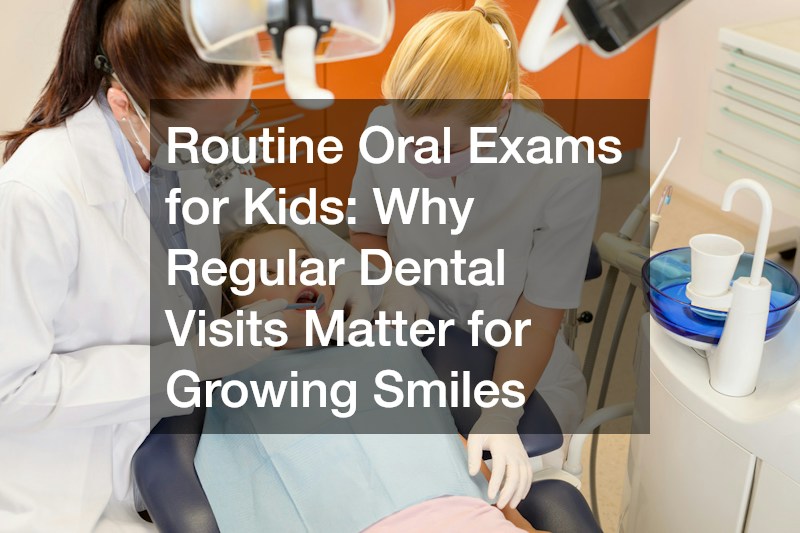
Routine Oral Exams for Kids: Why Regular Dental Visits Matter for Growing Smiles
Regular dental visits are an important part of helping children develop healthy smiles and positive oral health habits. Routine oral exams give families an opportunity to identify concerns early, support proper development, and teach children why taking care of their teeth matters. Starting consistent dental visits while children are young can also help make oral care a familiar and comfortable part of their everyday lives.
Building Healthy Habits Early
Children learn many of their lifelong habits during their early years, making childhood an ideal time to establish good oral hygiene routines. Routine oral exams reinforce the importance of brushing, flossing, and making healthy choices between appointments. During visits, dental teams can provide age-appropriate guidance that helps children understand how daily habits affect their teeth and gums. Parents can also learn more about ways to support their child’s oral health at home. When dental care becomes part of a child’s normal routine, regular visits can feel less like a special event and more like an ordinary part of staying healthy. These early experiences can encourage children to take greater responsibility for their smiles as they grow.
Checking Teeth and Gum Health
A routine oral exam allows a child’s dentist to look closely at the condition of the teeth, gums, and surrounding areas of the mouth. Even when a child does not complain about discomfort, an exam can help identify changes that may deserve attention. Family dentists may look for signs of tooth decay, gum irritation, enamel concerns, or other oral health issues. Finding potential problems earlier can give families more opportunities to discuss appropriate treatment before concerns become more complicated. Regular examinations also create a consistent record of a child’s oral health over time. This ongoing attention can help the dental team recognize changes as the child’s smile develops.
Supporting Developing Smiles
Children’s mouths change significantly as they grow, so oral exams are about more than checking for cavities. Family dentists can observe how primary teeth are developing and how the mouth is changing as children approach the stages of losing baby teeth and getting permanent teeth. These observations can help identify concerns involving spacing, tooth positioning, or other aspects of dental development that may warrant closer attention. Parents can receive information about what changes to expect as their child grows. Regular appointments also provide opportunities to discuss concerns about thumb-sucking, mouth habits, or other behaviors that could affect developing teeth. Keeping track of these changes helps families stay informed about their child’s evolving oral health.
Making Preventive Care a Priority
Preventive dental care focuses on maintaining oral health rather than waiting for a noticeable problem to appear. During routine appointments, families can discuss practices that support healthy teeth and gums between visits. Depending on a child’s individual needs, a dental team may also recommend preventive services or additional measures to help protect developing teeth. Professional cleanings can remove buildup that regular brushing may not completely eliminate, while personalized recommendations can help families improve their daily routines. Preventive visits also give parents a chance to ask questions about nutrition, brushing techniques, flossing, and other aspects of children’s oral care. This proactive approach can make maintaining a healthy smile a more manageable part of family life.
Helping Children Feel Comfortable at the Dentist
Positive early dental experiences can influence how children feel about dental appointments as they get older. Routine visits give children the opportunity to become familiar with the dental environment, staff, and basic examination process. A calm, age-appropriate approach can help make appointments easier for children who may feel uncertain about visiting the dentist. Parents can support this experience by speaking positively about dental care and helping children understand that appointments are a normal part of staying healthy. Repeated visits can also make familiar routines feel more predictable over time. Building that familiarity during childhood may help children approach future dental care with greater confidence.
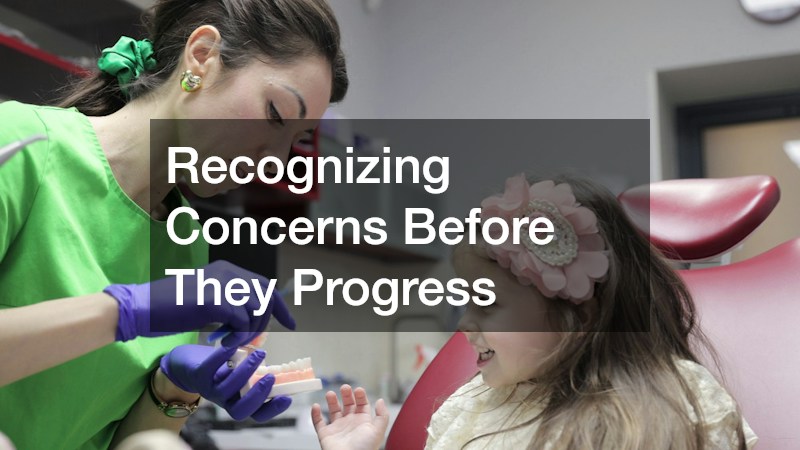
Recognizing Concerns Before They Progress
One of the key benefits of routine oral exams is the opportunity to identify potential concerns before they have a chance to become more advanced. Children may not always recognize or communicate early signs of a dental problem, particularly when changes are gradual. Regular examinations provide another layer of attention to the health of their growing smiles. If a concern is identified, family dentists can explain what was found and discuss appropriate next steps with the parent or guardian. Addressing concerns in a timely manner may help reduce disruptions to a child’s daily routine and support continued oral health. Consistent appointments therefore play an important role in keeping families informed about what is happening inside a child’s mouth.
Encouraging Lifelong Oral Health
Routine oral exams are an important part of helping children develop healthy attitudes toward dental care. These visits combine preventive attention, professional guidance, and regular opportunities to evaluate a growing smile. They also give parents valuable information for supporting oral hygiene habits at home. Most importantly, consistent dental care helps children become familiar with the idea that taking care of their teeth is an ongoing responsibility. As children mature, the habits and experiences developed through routine visits can continue to influence how they approach oral health. By making dental exams a regular part of childhood healthcare, families can give growing smiles the attention they need today while encouraging healthy habits for the future.
Routine oral exams give children more than a simple dental checkup. They provide opportunities to support healthy development, identify concerns early, strengthen daily habits, and build comfort with professional dental care. By making regular visits part of a child’s routine, parents can help create a strong foundation for healthy smiles throughout childhood and into adulthood.



Post Comment