
Recognizing Stress-Related Health Issues in Children After Family Conflict
When family life is shaken by arguments, separation, or ongoing tension between parents, children rarely walk away untouched. They may not have the vocabulary to describe what they feel, but their bodies, behaviors, and moods often tell the story for them. A stomachache before school, sudden outbursts, trouble sleeping, or a drop in grades can all be the quiet aftershocks of what is happening at home.
Parents sometimes assume kids are resilient enough to bounce back on their own, and while children do have remarkable adaptability, chronic family stress is a different beast. The nervous system of a developing child is still being wired, and prolonged exposure to conflict can leave lasting imprints on both physical and emotional health. The sooner adults learn to spot these warning signs, the sooner they can intervene with support that actually helps.
This piece looks at what the research says about how family conflict affects kids, which symptoms deserve attention, and what caregivers can do to buffer children from the worst effects. The goal is not to scare parents but to give them clearer eyes and better tools.
How Family Conflict Reshapes a Child’s Nervous System
Children exposed to repeated arguments, hostility, or emotional volatility at home live in a constant state of low-grade alarm. Their brains and bodies adapt by staying on high alert, which is useful in short bursts but damaging over months or years. Cortisol levels remain elevated, sleep cycles get disrupted, and the parts of the brain responsible for regulating emotion struggle to develop normally.
This is not a soft or theoretical claim. According to the Yale Child Study Center, trouble with emotional regulation in young people was linked to more severe symptoms involving attention, aggression, anxiety, and depression. In other words, when a child cannot soothe themselves after stress, those unprocessed feelings often harden into clinical issues later on.
Understanding this biological reality matters because it reframes a child’s behavior. A kid who seems moody, distracted, or defiant is often not misbehaving by choice. Their internal thermostat is stuck, and they need help resetting it rather than punishment for how the dysregulation looks on the outside.
Physical Symptoms That Often Get Overlooked
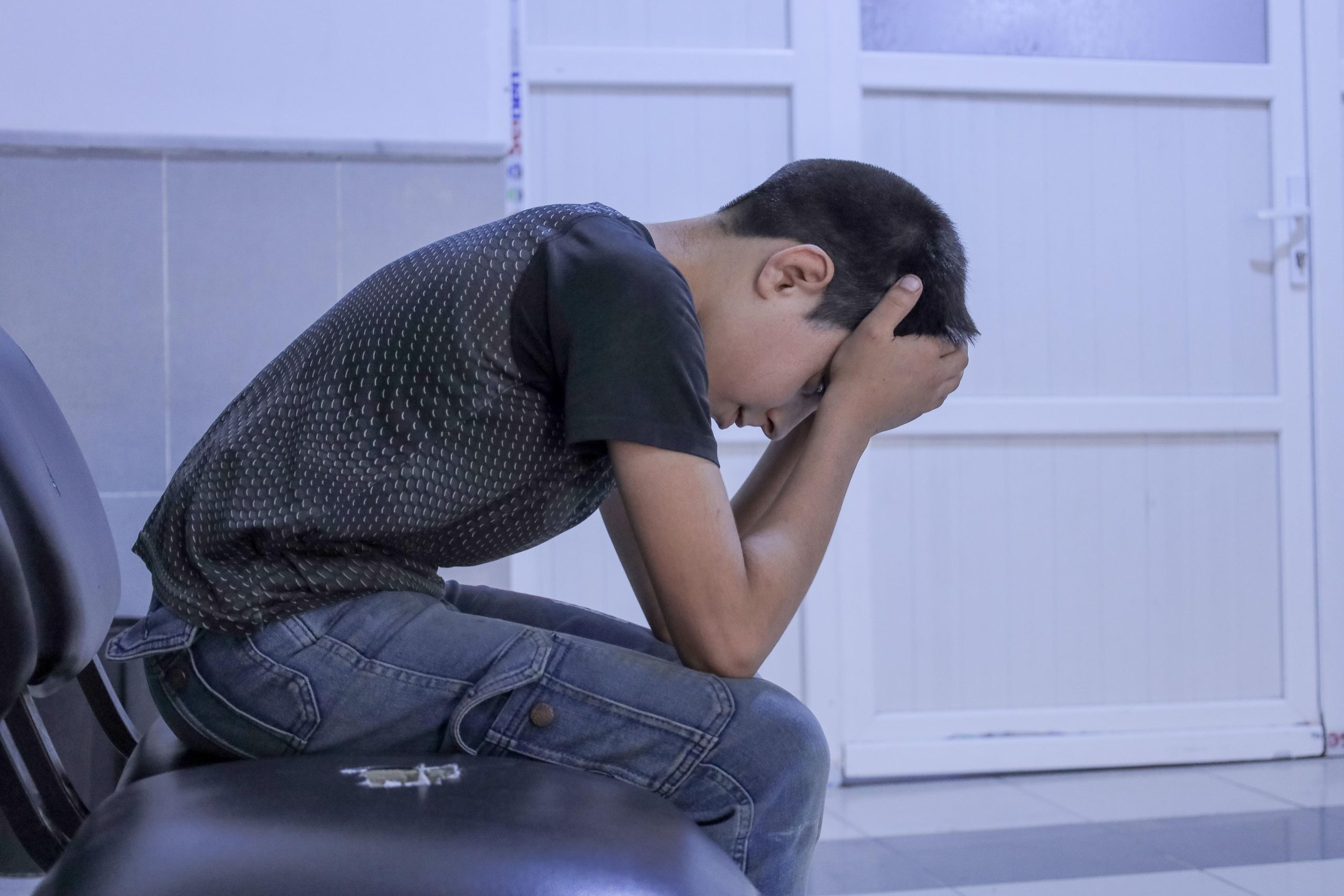
Stress in children does not always show up as sadness or anger. It frequently hides in the body, where it is easy to mistake for ordinary illness or a passing phase. Parents who are watching for emotional signs may miss the physical ones, and pediatricians who are not told about family conflict may treat symptoms without addressing the root.
Common bodily signals that a child is struggling with chronic stress include:
- Recurring headaches or stomachaches with no medical explanation
- Changes in appetite, either eating much more or much less than usual
- Difficulty falling asleep, frequent nightmares, or waking in the night
- Bedwetting in a child who had previously outgrown it
- Lowered immunity, shown by catching every cold that passes through
- Unexplained fatigue or complaints of feeling tired all the time
Why the Body Speaks Before the Mouth Does
Young children especially lack the language to say, “I feel anxious about Mom and Dad fighting.” Instead, the stress finds another exit. Somatic complaints are the body’s way of flagging distress, and they tend to appear earlier and more reliably than verbal admissions. Taking these symptoms seriously, rather than dismissing them as attention-seeking, is one of the most protective things a caregiver can do.
Emotional and Behavioral Warning Signs
Beyond the physical, there are patterns of behavior that signal a child is carrying more than they can process. Some kids externalize their distress with anger, defiance, or risk-taking. Others internalize it, becoming withdrawn, perfectionistic, or anxious in ways that are easier to miss precisely because they look like good behavior.
Research backs up how common these struggles are. A study published in Nature found that roughly 12.2% of children between six and twelve years old reach the clinical threshold for internalizing problems such as anxiety and depression. That is more than one in ten kids in any given classroom, and the number climbs when family conflict is part of the picture.
Behavioral changes worth paying attention to include:
- Sudden drops in school performance or loss of interest in favorite activities
- Clinginess, separation anxiety, or regression to younger behaviors
- Aggression toward siblings, pets, or classmates
- Social withdrawal and loss of friendships
- Expressions of guilt, shame, or self-blame about family problems
- Risk-taking behavior in older children and teens
The Elevated Danger in High-Conflict Separations
Not every divorce or family rupture produces the same level of harm. Children who witness or are caught in high-conflict dynamics, where parents openly disparage each other, weaponize custody, or create loyalty binds, face substantially greater risk than those whose parents manage to keep conflict contained. The difference is not whether the parents stay together but how they handle the relationship going forward.
The numbers here are sobering. Research published through Springer indicates that nearly 46% of children caught in high-conflict divorces face heightened risk of developing posttraumatic stress disorder. PTSD in children does not always look like the adult version; it can show up as hypervigilance, flashbacks disguised as tantrums, avoidance of certain places or people, or a frozen emotional flatness.
This is why practical strategies for managing difficult former partners matter so much. Many parents search for guidance on how to co-parent with a toxic ex precisely because they sense how much is at stake for their kids. Reducing a child’s exposure to open conflict, even when the adult relationship remains tense, is one of the single most protective moves a caregiver can make.
What Loyalty Conflicts Do to Developing Minds
When children feel forced to choose sides, or when one parent criticizes the other in their presence, they experience a kind of internal splitting. Because kids identify with both parents, hearing one attacked feels like being attacked themselves. Over time this can erode self-esteem, create chronic guilt, and make it harder for the child to form secure relationships later in life.
Protecting Children’s Well-Being and Safety at Home
Once parents understand the stakes, the next question is what to actually do. The good news is that children are responsive to positive changes in their environment, often more quickly than adults expect. Small, consistent shifts in how conflict is handled can produce meaningful improvements in a child’s mood, sleep, and behavior within weeks.
Practical steps that support a child’s Health & Safety during and after family conflict include:
- Keeping adult disagreements out of earshot and sight of children
- Maintaining predictable routines for meals, bedtime, and school
- Letting children voice their feelings without having to manage yours
- Avoiding any criticism of the other parent in front of the child
- Building in one-on-one time that is calm and conflict-free
- Seeking professional support early rather than waiting for a crisis
Therapy is not a last resort. Play therapy for younger children, talk therapy for older ones, and family counseling can all provide a neutral space where kids process what they cannot say at home. Pediatricians, school counselors, and licensed family therapists are all reasonable starting points when you suspect a child needs more than you can offer alone.
When to Seek Professional Help

Knowing when a child’s symptoms cross from normal adjustment into something requiring intervention can be tricky, but there are reliable markers. A single rough week after a big argument is one thing; a pattern that stretches across weeks or months is another. Trust your instincts if something feels off, even when you cannot name it precisely.
Consider reaching out to a professional when you notice:
- Symptoms that persist for more than a month without improvement
- Any mention of self-harm, suicidal thoughts, or wanting to disappear
- Significant weight loss, refusal to eat, or disordered eating patterns
- Panic attacks, severe anxiety, or compulsive behaviors
- School refusal that lasts more than a few days
- Aggression that escalates or becomes dangerous to the child or others
- Withdrawal so complete that the child stops engaging with family and peers
Choosing the Right Kind of Support
Not every therapist is the right fit, and not every approach works for every child. Look for clinicians who specialize in childhood trauma, family systems, or anxiety and mood disorders in young people. Ask about their experience with kids from separated or high-conflict households. A good therapist will involve caregivers in the process without turning sessions into another arena where the child feels caught between adults.
School-based resources can also be a bridge. Many districts have counselors trained to support students through family transitions, and teachers who are informed about what is happening at home can adjust expectations and offer steadiness during the school day. You do not need to share every detail; a simple note that the family is going through a hard time often opens the right doors.
Rebuilding a Sense of Safety Over Time
Recovery is rarely linear. A child who seems to be doing better may regress after a difficult handoff, a holiday, or a reminder of past conflict. These setbacks do not mean the progress was fake or that your efforts have failed. They mean the nervous system is still learning that the world can be trusted again, and that process takes repetition.
Consistency is the quiet hero here. Children do not need perfect parents or conflict-free lives to heal. They need enough predictability, enough warmth, and enough evidence that the adults around them are working to keep their world steady. Over time, those accumulated moments rewire the stress response in the opposite direction, teaching the body that it is safe to relax.
It also helps to name what is happening in age-appropriate ways. A child who hears, “Grown-ups argue sometimes, and it is never your fault,” receives something powerful: permission to stop carrying the blame. Simple, honest statements that match a child’s developmental level do more than elaborate explanations ever will.
Conclusion
Family conflict leaves fingerprints on children, but those fingerprints do not have to become permanent scars. The headaches, the mood swings, the sleepless nights, and the sudden withdrawal are all messages from a young nervous system doing its best to cope with something bigger than it can handle alone. When parents learn to read these signals as communication rather than misbehavior, the entire dynamic begins to shift.
The most important thing a caregiver can offer is attention paired with action. Noticing the symptoms is step one; responding with calmer routines, lower conflict exposure, open emotional space, and professional support when needed is what actually changes outcomes. Children do not need their parents to get along perfectly. They need the adults in their life to protect them from the worst of the storm and to show up consistently once it passes.
If you are in the middle of this right now, take some comfort in knowing that your awareness is already part of the solution. Kids are watching how we handle hard things, and they learn resilience not from the absence of difficulty but from seeing the adults they love move through it with care. That modeling, more than any single intervention, is what helps a child grow into someone who can meet their own future challenges without being undone by them.


Post Comment