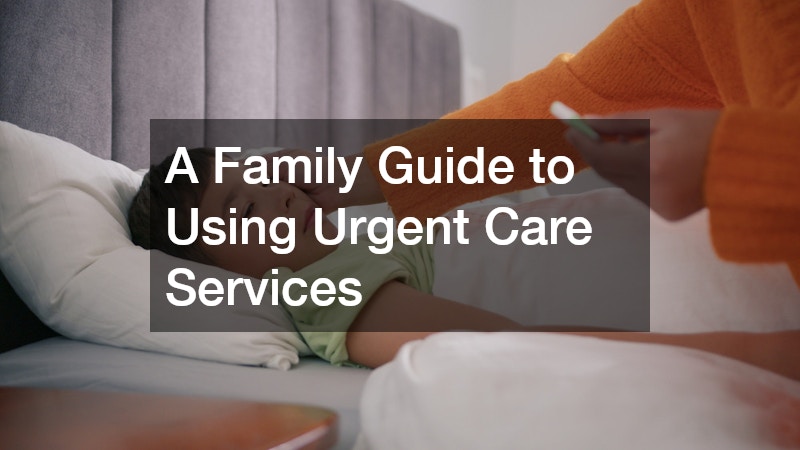
A Family Guide to Using Urgent Care Services
Families face a wide range of health concerns, from seasonal illnesses and minor injuries to situations that require immediate medical attention. Knowing where to seek care can make stressful situations easier to manage, particularly when a child develops a fever after regular office hours or a family member experiences a minor injury over the weekend.
Understanding the differences between urgent care services and emergency room care can help families make informed decisions. While both provide medical attention outside the scope of routine appointments, they serve different purposes. Learning when each option is appropriate can support family health, safety, and peace of mind.
Understanding Urgent Care
Urgent care is generally designed for health concerns that require prompt attention but are not considered life-threatening emergencies. These facilities can provide an alternative when a primary care office is unavailable or when an issue cannot reasonably wait for a scheduled appointment.
Common concerns that may be appropriate for urgent care include minor cuts, sprains, strains, uncomplicated infections, mild allergic reactions, and some illnesses. The exact services available can vary between locations, so families should understand what their local facility can treat.
For parents and caregivers, having a general understanding of available options can be particularly helpful. Children can become sick or injured unexpectedly, and knowing where to turn can reduce uncertainty during an already stressful situation.
Knowing When to Choose Urgent Care
The decision to seek urgent care depends largely on the severity and nature of the health concern. A person who is uncomfortable, experiencing symptoms that need timely evaluation, or has a minor injury that requires professional attention may be appropriate for an urgent care visit.
Examples can include a painful sore throat, persistent cough, minor burns, mild dehydration, or a possible sprain. A healthcare professional can evaluate the situation and determine whether additional treatment or follow-up is needed.
Families should avoid using urgent care simply because it is convenient when symptoms suggest a serious emergency. When there is uncertainty about the severity of a condition, especially involving a child, seeking professional medical guidance can be appropriate.
Urgent Care vs. the Emergency Room
One of the most important distinctions for families to understand is the difference between urgent care and an emergency room. Urgent care is generally intended for conditions that need relatively prompt treatment but do not pose an immediate threat to life or major bodily functions.
Emergency rooms are equipped to handle severe and potentially life-threatening conditions. Symptoms such as difficulty breathing, severe chest pain, signs of a stroke, major trauma, uncontrolled bleeding, loss of consciousness, or severe burns may require emergency medical attention.
When a serious emergency occurs, families should not delay care while trying to determine whether an urgent care facility is appropriate. Calling 911 or going to the nearest emergency room may be necessary.
The difference is not simply about how uncomfortable someone feels. It is about the potential seriousness of the condition and the level of medical resources required. Understanding this distinction can help families avoid unnecessary delays in serious situations.
Keeping Children Safe During Illness and Injury
Children may experience illnesses and injuries that require professional evaluation, particularly because they may have difficulty explaining what they are experiencing. Parents and caregivers should pay attention to changes in behavior and physical symptoms.
Signs such as unusual sleepiness, significant difficulty breathing, persistent vomiting, severe pain, or other concerning changes may warrant prompt medical attention. The appropriate response depends on the child’s age, symptoms, medical history, and overall condition.
Parents should also remember that children can deteriorate quickly in some circumstances. If a child appears seriously ill or has symptoms associated with an emergency, families should seek emergency medical care rather than waiting for an urgent care appointment.
Following Up After a Visit
Receiving treatment is only one part of managing a health concern. Families should pay attention to instructions provided after a visit and follow recommendations regarding medications, activity restrictions, wound care, or follow-up appointments.
If symptoms do not improve or become worse, additional medical attention may be necessary. In some cases, a healthcare professional may recommend follow-up with a primary care provider or specialist.
Parents and caregivers should also make sure children understand any restrictions or instructions appropriate for their age. Clear communication can help prevent complications and support recovery.
Creating a Family Healthcare Plan
Families can benefit from having a basic healthcare plan before an unexpected illness or injury occurs. This plan can include the phone numbers for primary care providers, information about nearby urgent care facilities, emergency contacts, and the location of the nearest emergency room.
It can also help to keep a first-aid kit stocked with basic supplies and make sure caregivers know where important medical information is stored.
Knowing the difference between routine care, urgent care, and emergency treatment is another important part of family preparedness. These distinctions can help households respond more confidently when health concerns arise.
Family health and safety depend partly on knowing how to respond when unexpected health concerns occur. Urgent care services can provide timely attention for many non-emergency illnesses and injuries, while emergency rooms are designed for serious or potentially life-threatening conditions.
Most importantly, families should never delay emergency treatment when severe symptoms or serious injuries are present. Having a plan in place before an unexpected situation occurs can make it easier to choose the appropriate level of care and focus on what matters most: keeping everyone safe and healthy.



Post Comment