
Creative Extra-Curricular Activity Ideas for Energetic Kids This Year
Raising an energetic child is a joyful, rewarding, and sometimes completely exhausting experience. Parents often find that standard home routines, quiet board games, or traditional screen time do little to satisfy a child who seems powered by endless fuel. When natural enthusiasm and physical stamina lack constructive outlets, kids can become restless, frustrated, or disruptive. The key to helping high-energy children thrive isn’t attempting to quiet them down; it is giving them purposeful, engaging ways to channel that natural vitality.
Moving beyond basic recreational leagues opens up a world of creative extracurricular options. The ideal activity should do more than just tire a child out physically—it should challenge their mind, build spatial awareness, encourage social connections, and teach emotional self-regulation. By blending dynamic movement, creative expression, unique sensory experiences, and structured environments, you can build an enriched weekly routine. This comprehensive guide explores innovative extracurricular ideas tailored for energetic kids, helping you pick activities that support physical health, confidence, and personal growth.
Building Movement, Spatial Agility, and Artistic Rhythm

For children who constantly leap off furniture or dance around the living room, structured physical arts offer a fantastic mix of athletic rigor and creative expression. High-energy kids often process their emotions and thoughts through movement. Channeling that instinct into disciplined physical disciplines helps build core physical strength, flexibility, and body awareness while giving them a positive stage for self-expression.
Performing arts like dance provide a wonderful foundation for physical literacy. Enrolling young children in beginner dance classes helps them convert raw, unbridled energy into rhythm, timing, and graceful coordination. Through simple choreography, group routines, and musical exercises, kids learn to listen closely, follow sequential steps, and work alongside peers, all while getting a rigorous cardiovascular workout.
If your child leans more toward acrobatics, high-flying stunts, or floor routines, gymnastics-based programs are an exceptional fit. Signing up for formal tumbling lessons teaches kids how to jump, flip, and roll safely under expert instruction. These sessions focus on core stability, spatial orientation, and balance, giving children a controlled environment with thick mats and professional spotters. Learning proper landing techniques and fall safety also helps prevent injuries during everyday play outside the studio.
To make the most of these structured movement classes, parents can set up simple home practices to bridge the gap between weekly sessions:
-
Set aside fifteen minutes daily for joint stretching and gentle mobility work to keep muscles flexible.
-
Play rhythmic games like freeze dance to practice quick stopping, balance, and impulse control.
-
Design simple, safe floor tracks using painter’s tape to practice balance walking and precision jumping.
Animal Connections, Outdoor Exploration, and Wheeled Sports
Taking activities outdoors provides energetic children with the open space and sensory variety they naturally crave. Outdoor pursuits challenge different muscle groups than indoors and encourage deep focus by immersing kids in natural settings. Combining physical effort with outdoor exploration helps calm an overactive nervous system while developing endurance and practical life skills.
Equestrian sports offer a unique mix of physical challenge and emotional growth. Working inside an equine riding arena teaches kids that strength alone cannot control a thousand-pound animal; true control comes from calm focus, gentle confidence, and clear body language. Horseback riding builds remarkable core strength, posture, and balance. Beyond the physical ride, grooming, tacking, and caring for horses instills deep responsibility and patience, making it a peaceful, restorative outlet for high-octane kids.
Cycling is another fantastic option that gives energetic kids a sense of speed, freedom, and independence. Taking your child to a local bike shop allows them to pick out properly fitted equipment, learn about tire pressure, and understand basic mechanical maintenance. Riding bikes builds great cardiovascular endurance and leg strength. As kids master trail navigation, road safety rules, and balance, their self-reliance and outdoor confidence skyrocket.
Integrating nature-based routines into your family’s weekly schedule helps sustain outdoor interest between major outings:
-
Schedule weekend family trail rides or park path explorations to build physical stamina together.
-
Incorporate basic bike safety inspections into your weekly routine, so kids learn to care for their gear.
-
Explore local green spaces, letting children run, climb, and engage in unstructured physical play.
Early Learning Environments and Full-Day Enrichment Integration
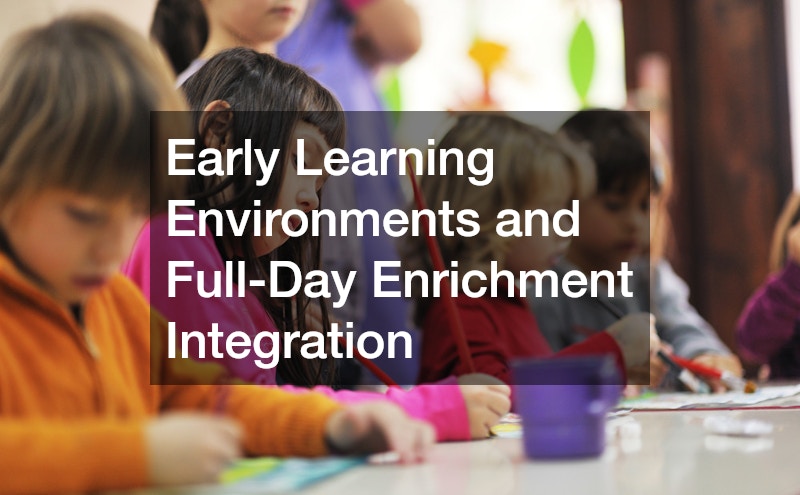
For younger children, extracurricular enrichment shouldn’t feel like a separate, exhausting obligation tacked onto the end of an already long day. Instead, movement and active exploration should fit naturally into their educational routines. Ensuring early learning environments match your child’s physical energy levels prevents academic burnout and helps them stay engaged during instruction.
Selecting the right educational foundation is essential for high-energy toddlers and young children. A quality preschool recognizes that young minds learn best through active physical play, hands-on discovery, and outdoor movement. Environments that prioritize interactive learning stations, outdoor recess, and physical education help energetic children build gross motor skills alongside early literacy and math fundamentals.
For working parents, finding extended care that offers more than passive supervision is equally important. Premium daycare services often integrate structured extracurricular activities directly into their daily schedules. Look for providers that host visiting coaches, organize active games, offer music and movement modules, and feature well-designed play facilities. This approach lets your child burn off excess energy during the day, making evening transitions at home smoother and more relaxing for the whole family.
When evaluating early childhood programs for active kids, consider looking for these key operational features: ample outdoor play areas equipped with varied climbing structures and room for open running; a curriculum that incorporates regular movement breaks, sensory play, and physical learning games; and staff who are trained to redirect excess physical energy positively rather than relying on passive quiet time.
Additionally, it’s beneficial to seek out programs that involve parents in the learning process, such as family engagement activities and workshops. This connection fosters a sense of community and ensures that parents are actively supporting their child’s development. Programs that emphasize social interaction and collaborative play can help children develop essential communication and teamwork skills while also nurturing their energetic spirits. Ultimately, choosing a curriculum that aligns with your child’s unique needs and interests will lead to a happier and more fulfilling early learning experience.
Specialized Campus Programs and Calming Visual Sensory Outlets

As children grow older, their extracurricular interests often split into two distinct needs: high-intensity physical outlets and calming, restorative sensory experiences. Balancing these two needs helps energetic kids build physical strength without running into sensory overload or exhaustion.
Exploring the extracurricular rosters at local private schools can reveal exceptional, specialized afternoon programs open to community members. These institutions frequently feature dedicated sports complexes, drama theaters, robotics labs, and martial arts studios. Enrolling your child in specialized campus clubs—such as track and field, swim team, or youth theater—gives them access to top-tier coaching and specialized equipment designed to push their athletic boundaries.
Conversely, energetic minds also need low-impact environments that foster quiet focus and wonder without physical strain. Visiting an aquarium offers a captivating, restorative trip that engages a child’s visual curiosity. Watching marine life glide through glowing water tanks provides a calming visual experience that lowers stress levels and sparks scientific curiosity. Creating a small fish tank at home can extend this benefit, giving kids a quiet, daily routine centered on feeding, care, and restful observation.
To build a balanced schedule of high-energy and calm activities, try using these weekly organization tips:
-
Alternate high-impact athletic days with quieter, low-energy recovery activities to prevent fatigue.
-
Introduce focused, quiet hobbies like fish care, drawing, or reading after intense physical workouts.
-
Rotate through seasonal activities to keep your child’s routine fresh, engaging, and exciting year-round.
High-Energy Event Planning and Parental Schedule Management
Managing an active child’s extracurricular calendar is more than just scheduling—it’s about crafting an environment of support, organization, and joy. As parents juggle work commitments, social engagements, and the whirlwind of children’s activities, setting up an efficient system is crucial for maintaining balance and ensuring that family life flows seamlessly.
With an array of activities competing for attention, effective strategic planning forms the backbone of a harmonious home. This means being proactive about scheduling, using tools like shared digital calendars that integrate seamlessly with family members’ devices. Creating event reminders not only ensures that no practice or game is missed but also alleviates the stress of last-minute scrambles. Everyone can stay informed about practice times, locations, and responsibilities, fostering a sense of teamwork and unity within the family, while reducing miscommunication.
Parents often discover that standard quiet gatherings no longer satisfy the energy levels of their vibrant kids. Renting a commercial bounce house transforms an ordinary backyard party into an extraordinary experience. These inflatable structures not only provide hours of exhilarating fun but also offer a safe environment where kids can interact and play actively. As children bounce and climb, they engage in physical activity that promotes health and social skills, while parents can relax nearby, knowing their children are safe and entertained.
In addition to entertainment, practical considerations play a vital role, especially for parents balancing demanding jobs. This is where dedicated communication tools come into play. Using intrinsically safe phones allows parents who work in potentially hazardous jobs to communicate effectively. Staying connected with family, receiving updates, and coordinating schedules become manageable, even in challenging work environments. Such reliable communication aids help parents handle emergencies and stay informed without compromising their workplace safety.
To streamline family schedules and logistics further, consider implementing the following practical strategies:
- Shared Digital Family Calendar: Utilize tools like Google Calendar or family organization apps to keep everyone on the same page. Set alerts for practices, games, and other important events to avoid any last-minute confusion.
- Activity Bags Prepared: Keep pre-packed bags containing gear, water bottles, and healthy snacks near the door to ensure quick and easy departures. Include a checklist to remind you of any specific items needed for the day’s activities.
- Structured Drop-off and Pick-up Routines: Creating clear carpooling arrangements with other parents can enhance efficiency. By establishing designated days for drop-off or pick-up, you can lighten the load and foster camaraderie among parents and children alike.
- Weekly Family Meetings: Dedicate a specific time each week to discuss upcoming events, address any conflicts in scheduling, and review the week ahead. This not only ensures everyone is on board but also allows for adjustments to be made collectively.
- Time Management Strategies: Encourage the use of timers and lists to help children manage their own commitments. Teaching them to prioritize activities cultivates independence and accountability at an early age.
- Flexible Backup Plans: Life is unpredictable, so having a list of alternate activities or substitutes for transportation can be a lifesaver when plans go awry.
By adopting these strategies, parents can not only maintain organization within their chaotic schedules but also create a joyful and engaging environment for their children. A well-coordinated family routine empowers parents to enjoy each moment with their children, ultimately leading to a fulfilling family life where every member feels involved and valued.
Supporting Your Child’s Long-Term Growth and Success

Finding the right extracurricular activities for an energetic child is an evolving journey. What excites them today might change as they grow, gain new skills, and discover fresh passions. The goal isn’t to pack every hour of their day with structured commitments, but to build a balanced routine of movement, learning, exploration, and rest.
Pay close attention to how your child responds to each activity. A great outlet should leave them feeling energized, proud, and pleasantly tired—not stressed, anxious, or overwhelmed. Celebrate their effort, focus, and willingness to try new things rather than focusing solely on winning or performance.
By providing safe, structured, and varied outlets for their energy, you help your child convert high stamina into lifelong traits like discipline, confidence, resilience, and curiosity. Embrace their natural enthusiasm, support their interests, and enjoy watching them bloom into capable, happy, and active individuals.
Encouraging your child to set personal goals within their chosen activities can also foster a sense of accomplishment and motivate them to push their limits. It’s important to create a supportive environment where they feel free to explore and make mistakes, as these experiences lead to growth and learning. In this journey, remember to also prioritize family time and play, as these moments can strengthen bonds and provide valuable life lessons beyond structured activities.




Post Comment