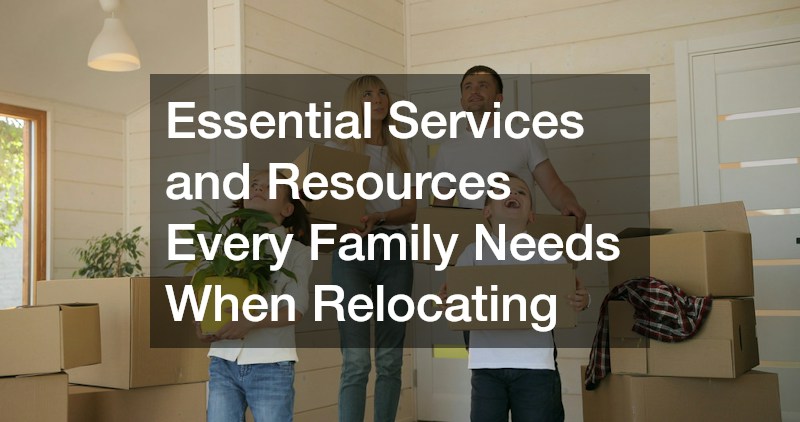
Essential Services and Resources Every Family Needs When Relocating
Moving to a new home can mark the beginning of an exciting chapter for a family, but the responsibilities involved often extend beyond packing boxes and arranging transportation. Parents must consider how the relocation will affect their children’s daily routines, educational opportunities, friendships, and access to familiar services. Meanwhile, household belongings, financial obligations, and the needs of family pets require careful attention throughout the transition.
Approaching a move with a practical plan can make these competing priorities easier to manage. Identifying essential services before departure allows parents to focus on helping their children adjust rather than scrambling to find assistance after arriving. From selecting moving professionals to establishing healthcare relationships, each decision contributes to the family’s overall experience. Understanding which resources are available and when to use them can help households create a smoother transition while building a comfortable foundation for life in a new community.
Planning the Relocation Around Family Needs
Every successful family move begins with an understanding of what individual household members need during the transition. Young children may require consistent nap schedules, while school-aged children might worry about leaving friends or joining unfamiliar classrooms. Parents can address these concerns early by discussing the upcoming changes in age-appropriate language and inviting children to participate in simple preparations.
Distance is another important consideration when developing a relocation plan. Families traveling across several states may benefit from professional long-distance moving services that help coordinate transportation and delivery schedules. Before selecting a provider, parents should compare written estimates, ask about delivery windows, and determine which belongings will remain accessible throughout the journey. Planning for possible delays can prevent disruptions to essential family routines.
Creating a shared calendar can help everyone understand what needs to happen before departure. Parents might record school registration deadlines, utility appointments, packing milestones, and final medical visits. Older children can contribute by sorting personal belongings or choosing items to keep nearby during travel. Giving children manageable responsibilities encourages participation without placing unnecessary pressure on them.
Families should also establish a realistic budget that includes expenses beyond transportation. Temporary accommodations, meals, childcare, cleaning supplies, and replacement household items can add unexpected costs. Reserving additional funds provides flexibility when circumstances change. By considering emotional needs alongside logistical and financial concerns, parents can approach relocation with greater confidence and create a more predictable experience for their children.

Choosing Moving Professionals for Household Belongings
Transporting furniture, appliances, and personal possessions requires coordination, particularly when parents must supervise children throughout moving day. Hiring professionals can reduce the physical demands associated with relocation and give adults more opportunities to attend to family responsibilities. However, selecting an appropriate provider involves examining the company’s qualifications rather than relying exclusively on advertised prices.
Families with heavy security cabinets can consult safe movers about specialized equipment, handling procedures, and insurance. Families should also clarify how damage claims are handled and review the terms of their moving agreement before signing any documents.
The type of residence can influence which services are most appropriate. Households leaving or entering multiunit buildings may find that apartment movers are familiar with challenges such as narrow hallways, elevator reservations, loading restrictions, and limited parking. Discussing these conditions before moving day helps the crew prepare and reduces the likelihood of scheduling complications.
For families relocating within the same community, local movers may offer practical assistance with shorter transportation routes and coordinated loading arrangements. Even when the destination is nearby, parents should confirm arrival times and establish a plan for keeping children away from active work areas. Arranging supervision with a relative or another caregiver can be especially helpful during loading and unloading. Keeping walkways clear and assigning a separate space for essential belongings allows moving professionals to work efficiently while protecting the family’s daily necessities.
Decluttering Belongings Before Packing Begins
Relocation presents an opportunity to evaluate household possessions and decide which items deserve space in the next home. Children’s clothing, toys, books, and recreational equipment often accumulate quickly as their interests and developmental needs change. Sorting these belongings before packing can reduce transportation demands and make unpacking more manageable.
Parents can begin by dividing possessions into categories for keeping, donating, selling, recycling, or disposal. Children may enjoy choosing which toys they would like to pass along to other families. However, parents should avoid rushing decisions about sentimental belongings, especially when children are already experiencing uncertainty about the move. Preserving familiar objects can provide reassurance during a period of significant change.
Larger cleanouts may require assistance from dumpster rental companies, particularly when households need to discard damaged furniture, worn carpeting, or accumulated debris from storage areas. Before arranging a rental, families should confirm which materials are accepted, where the container can be placed, and how long it will remain on the property. Children and pets should stay away from disposal containers and areas where heavy objects are being removed.
Donating usable belongings can also support community organizations while helping families reduce unnecessary clutter. Completing these tasks gradually, rather than attempting an extensive cleanout immediately before departure, gives families more time to make thoughtful decisions and manage their remaining preparations without feeling overwhelmed by household clutter.

Establishing Practical Systems for the New Home
Unpacking can feel especially demanding when families arrive at a residence filled with boxes and unfinished tasks. Prioritizing essential rooms helps restore normal routines without requiring every possession to be organized immediately. Parents can focus first on sleeping areas, bathrooms, and kitchen supplies so children have comfortable places to rest, eat, and prepare for each day.
Effective home organization begins with understanding how the household functions. Storage arrangements should reflect children’s ages, the family’s schedule, and the available space. Low shelves can make everyday toys accessible, while labeled containers help school-aged children locate supplies and participate in tidying shared areas. Frequently used belongings should have convenient locations that encourage consistent habits.
Establishing an entryway system can also simplify busy mornings. Hooks for backpacks, designated shoe storage, and a place for important paperwork can help family members prepare for school and work without searching through multiple rooms. Parents may find it helpful to establish a central calendar where appointments, extracurricular activities, and household responsibilities remain visible.
Safety should remain a priority while furniture and storage systems are being arranged. Families with young children should secure furniture that could tip, store cleaning products out of reach, and check that passageways remain unobstructed. Rather than purchasing additional storage immediately, households can experiment with different arrangements and identify genuine gaps. A flexible system makes it easier to maintain an orderly environment as children grow and family routines evolve.
Researching Childcare and Early Learning Opportunities
Finding appropriate care arrangements is often one of the most pressing responsibilities for parents moving to an unfamiliar community. Work commitments, school schedules, and transportation needs can all influence the search. Beginning this process before relocation gives families time to evaluate providers and understand enrollment requirements.
When comparing childcare programs, parents should consider operating hours, age groups, staff qualifications, communication practices, and opportunities for play and learning. Some families may need full-day services, while others require part-time arrangements or care outside standard working hours.
Choosing a safe preschool or daycare also involves reviewing applicable licensing information and visiting facilities when possible. Parents can ask about supervision practices, emergency procedures, sanitation routines, visitor policies, and how staff respond to children’s individual needs. Observing interactions between caregivers and children may provide additional insight into the atmosphere and daily experiences offered by a program.
Children may need time to become comfortable with a new care environment. Visiting the facility together, discussing what to expect, and maintaining familiar morning routines can ease the adjustment. Parents should communicate with caregivers about any concerns, dietary requirements, or established comfort strategies. Keeping backup arrangements in mind is useful when enrollment is delayed or unexpected closures occur. By approaching the selection process thoughtfully, families can establish care arrangements that support children’s development while allowing parents to manage work and other relocation responsibilities more effectively.

Connecting With Healthcare Providers in the Community
Maintaining access to healthcare is an important part of settling into a new neighborhood. Families may need to transfer medical records, identify primary care providers, and locate specialists who can address ongoing needs.
Parents should review their health insurance coverage and determine whether relocation affects their provider network. Contacting existing medical offices before departure allows families to request records and discuss how ongoing prescriptions or scheduled treatments will be managed. Keeping copies of relevant information accessible can simplify conversations with new healthcare professionals.
Finding a local dentist is another practical priority, particularly for children who receive regular examinations, preventive treatments, or orthodontic care. Parents can ask prospective offices about experience treating younger patients, appointment availability, accepted insurance plans, and procedures for addressing urgent dental concerns. Transferring dental records may help new providers understand previous treatments and recommend appropriate follow-up care.
Families can also identify nearby pharmacies, urgent care facilities, and hospitals while becoming familiar with their surroundings. Saving essential contact information in a shared household directory makes it easier for caregivers to locate assistance when needed. For children with ongoing medical or developmental needs, parents may want to coordinate appointments before arriving to minimize interruptions in care. Establishing these relationships proactively supports continuity and gives families one less responsibility to manage while adjusting to new schools, workplaces, and household routines.
Preparing Pets for Their New Environment
Family pets experience many of the same disruptions associated with relocation, including unfamiliar surroundings, altered schedules, and changes in household activity. Parents can make the transition more manageable by considering animals’ needs throughout packing, transportation, and unpacking.
Before departure, families should gather vaccination records, identification information, medications, and supplies needed for travel. Consulting a veterinarian can help address concerns about transportation, particularly for animals with medical conditions or previous travel difficulties. Parents should also check any relevant requirements for bringing pets to their destination.
Researching veterinary resources in advance allows families to identify routine care providers and emergency animal hospitals near the new residence. Parents can ask about appointment availability, services offered, and procedures for transferring medical records. Knowing where to seek assistance is particularly useful when a pet requires ongoing treatment or develops a health concern shortly after arrival.
At the new home, animals may benefit from a quiet area containing familiar bedding, toys, and feeding supplies. Maintaining established meal and exercise schedules where possible can provide consistency while pets explore their surroundings. Children should be reminded to give animals space when they appear uncomfortable and avoid forcing interactions during periods of adjustment. Parents should also inspect outdoor areas for potential escape routes and update identification tags and microchip contact information. These preparations help integrate pets into the family’s new routines while supporting their safety and comfort.

Building Connections and Restoring Family Routines
Once the immediate demands of relocation begin to subside, families can devote more attention to becoming part of their new community. Exploring neighborhood amenities, recreational opportunities, and family-oriented events helps children and parents develop a sense of familiarity. Simple outings can provide enjoyable experiences while introducing household members to the resources available nearby.
Parents might visit public libraries, playgrounds, community centers, or parks with their children. Children who participate in sports, arts, or other organized programs may find opportunities to build friendships outside school. Parents can also develop connections through school events, neighborhood gatherings, and volunteer opportunities.
Restoring familiar household routines remains valuable even as families explore new experiences. Consistent meal schedules, bedtime rituals, and shared activities can help children feel secure while adapting to their surroundings. Parents should allow time for adjustment and recognize that individual family members may respond differently to the changes. Regular conversations provide opportunities to discuss concerns and celebrate positive developments.
Families can also periodically review their relocation checklist to identify unfinished responsibilities and determine which arrangements need refinement. Moving involves far more than reaching a different address, and the adjustment process continues after the final box is unpacked. By coordinating professional assistance, establishing supportive routines, and connecting with community resources, parents can help their children develop confidence and gradually transform an unfamiliar residence into a comfortable family home.



Post Comment