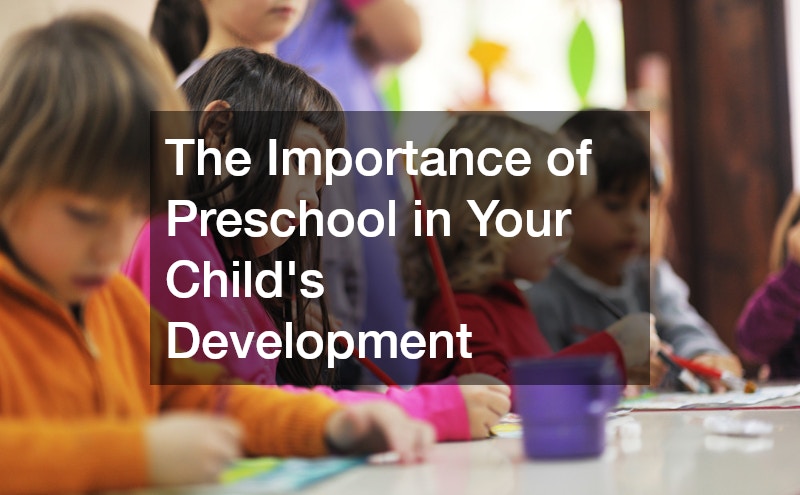
The Importance of Preschool in Your Childs Development
Early childhood is a critical period of growth, learning, and discovery, making preschool an essential step in a child’s development. During these formative years, children begin to build the social, emotional, and cognitive skills that shape their future success. Preschool provides a structured yet nurturing environment where young learners can explore, interact, and develop a love for learning.
Understanding the importance of preschool can help parents make informed decisions that positively impact their child’s educational journey.
1. What Are the Benefits of Preschool Education for Child Development?
Social and Emotional Growth
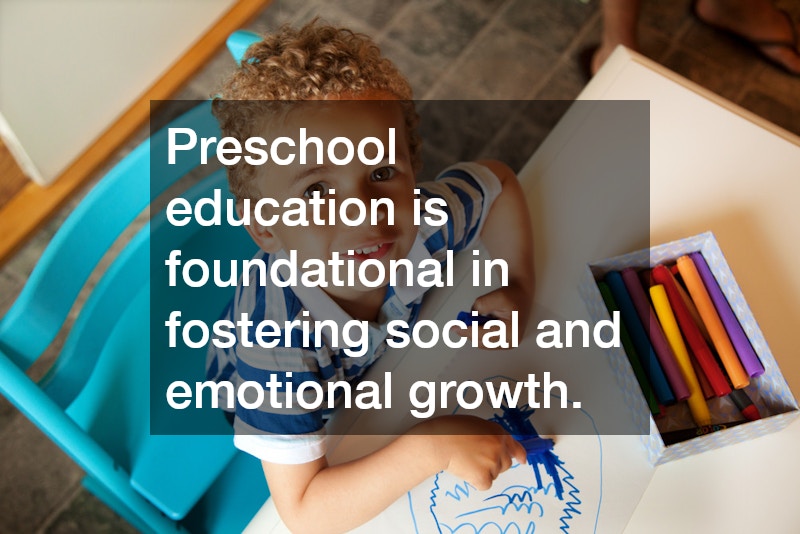
Preschool education is foundational in fostering social and emotional growth. Children learn essential communication skills as they interact with peers and teachers. These early experiences enhance their ability to express needs and emotions, laying the groundwork for healthy relationships. The collaboration and interaction in a preschool setting build confidence, as children share discoveries and solve problems together. As a result, they develop empathy and understanding, qualities that are crucial for future social interactions.
Furthermore, preschools provide a structured environment that helps children adjust to group dynamics. Teachers guide children through sharing, cooperating, and resolving conflicts, which are vital social skills. These interactions enable children to build friendships, enhancing their emotional well-being. This social growth is intertwined with emotional development, where children learn to manage their feelings and respond to challenges positively. The nurturing environment in preschool forms a solid foundation for emotional resilience, which benefits them throughout life.
Emotional intelligence cultivated in preschool impacts children’s future success in various settings. Understanding how to navigate complex social situations contributes to their adaptability. The practice of self-regulation and expressing emotions healthily influences academic performance positively. The preschool experience, thus, is instrumental in forming socially capable individuals who can thrive in collaborative environments. This early development highlights the importance of integrating social and emotional growth in preschool curricula.
2. How Does Preschool Prepare Your Child for Future Academic Success?
Cognitive Skills and Literacy
Preschool is crucial in building a robust foundation for cognitive skills and literacy. Through play-based learning, children explore concepts of numbers, letters, and shapes, which are fundamental to their educational journey. Engagement in structured activities enhances problem-solving skills and cognitive flexibility. As children participate in literacy-rich activities, they develop a love for reading and learning. This early introduction prepares them for more complex academic tasks, easing the transition to primary education.
The curriculum in preschool is designed to stimulate curiosity and critical thinking. When children explore their environment and ask questions, they develop research skills and intellectual curiosity. These cognitive skills are vital for adapting to the challenging academic demands they will face later. Preschool activities like counting games and storytelling bolster verbal and numerical literacy, crucial for future proficiency in language and mathematics. These competencies underline the significance of a solid preschool program that prioritizes cognitive development.
Moreover, preschool supports the acquisition of executive functions, such as memory, attention, and self-control. These skills enable children to manage their thoughts, actions, and emotions to achieve goals, directly impacting their academic performance. With early exposure to educational concepts and a supportive environment, children cultivate a positive attitude towards learning. The preschool experience instills a motivation to learn, setting up a lifelong pursuit of knowledge. This preparation is a key component in ensuring academic success in future educational endeavors.
3. What Should You Consider When Choosing a Preschool?
Curriculum and Environment
Choosing the right preschool involves evaluating its curriculum and environment meticulously. An effective preschool curriculum should be comprehensive, fostering cognitive, social, emotional, and physical development. Parents should look for programs that emphasize play-based learning and holistic education approaches. It’s also essential to assess whether the curriculum encourages exploration, creativity, and critical thinking. A curriculum that integrates diverse activities prepares children for the multifaceted challenges of formal schooling.
The preschool environment is equally significant, influencing a child’s early educational experience. A nurturing and safe environment, with well-trained and compassionate educators, supports the child’s overall development. Classrooms should be engaging with age-appropriate resources that stimulate learning and curiosity. When evaluating preschools, parents should consider teacher-student ratios, quality of facilities, and the inclusivity of the programs. An environment that values diversity and promotes equality helps children embrace different cultures and perspectives from a young age.
Additionally, parents need to ensure that a preschool’s approach aligns with their values and their child’s unique needs. Touring the school, meeting teachers, and observing classroom activities provide insights into the preschool’s culture and operations. Parents can engage with other families to gather feedback about their experiences with the preschool. Ultimately, selecting a preschool requires balancing ideal traits with accessibility and convenience. Making an informed decision will ensure the child’s preschool experience is enriching and sets a positive tone for their educational journey.




Post Comment